Bell's Palsy(Acute & Chronic)
Comprehensive care for sudden facial weakness, from immediate medical management to advanced surgical reanimation for maximal recovery.
Clinical Presentation of Bell's Palsy
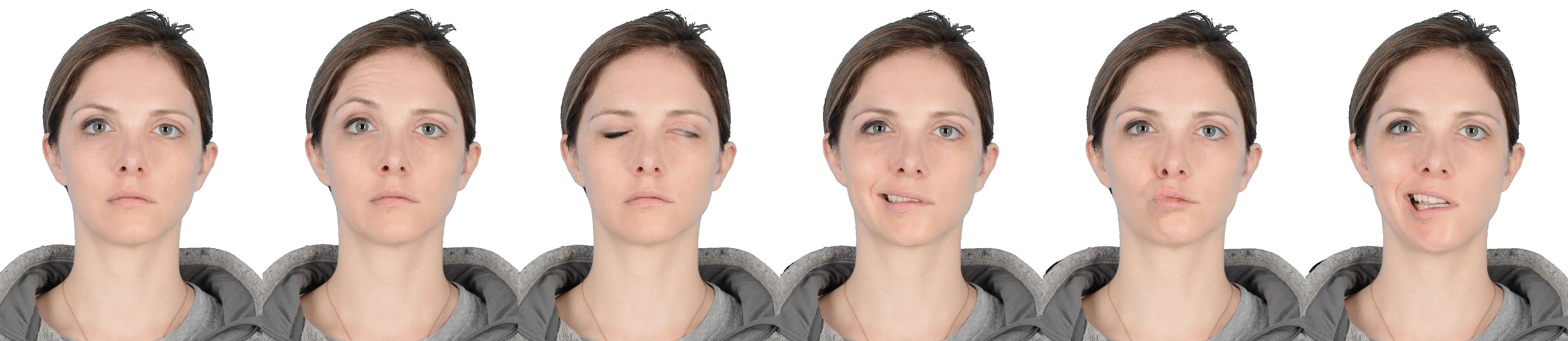
What is Bell's Palsy?
Bell palsy is the most common cause of sudden facial paralysis. It typically presents as a rapid onset of weakness or paralysis on one side of the face, causing it to droop. While the exact cause often remains unknown (idiopathic), it is strongly linked to viral inflammation of the facial nerve.
For most patients, recovery begins within a few days or weeks. However, those with severe nerve damage may benefit from specialized interventions to improve their long-term function.
Signs & Symptoms
- Rapid onset of mild weakness to total paralysis on one side of the face
- Inability to close the eye, causing dryness or tearing
- Drooping of the mouth and difficulty smiling
- Loss or change in taste
- Pain around the jaw, in the ear, or behind the ear
- Increased sensitivity to loud noises (hyperacusis)
When to Seek Care
Sudden facial paralysis can mimic a stroke. If you experience facial drooping along with confusion, dizziness, or weakness in your arms or legs, call 911 immediately.
If stroke is ruled out, early medical treatment for Bell's palsy (within 72 hours) improves the chances of a good recovery.
Video Examination Guide
Diagnostic Red Flags: Is It Really Bell's Palsy?
There is no single specific diagnostic test for Bell's palsy. Instead, it is a diagnosis based on your medical history and a physical examination. If your condition does not follow the typical pattern, it may indicate a different underlying cause that warrants further investigation, such as MRI or CT imaging, blood tests, or tissue biopsy.
Signs That Suggest an Alternative Diagnosis:
- Slow Progression: Facial weakness that starts slowly and gradually worsens over weeks or months (Bell's palsy onset is sudden, with weakness that fully evolves within 2-3 days).
- Uneven Weakness: Paralysis that is uneven across different zones of the face at onset, for example an absent blink with a normal smile.
- No Improvement: Lack of any improvement in facial muscle tone within 3-4 months.
- Systemic Symptoms: Presence of fever, chills, night sweats, muscle aches, severe headache, unexplained weight loss, or fatigue.
- Additional Neurological Signs: Hearing loss, imbalance, double vision, impaired swallowing, weakness, numbness, or coordination issues in other parts of the body.
- Abnormal Exam Findings: Unusual findings (such as lumps or bumps in the cheek or neck), body rash, or blisters near the ear canal.
Comprehensive Treatment Options
Acute Phase (0-3 Months)
Focus: Reducing inflammation and protecting the eye.
- • Corticosteroids: High-dose steroids (Prednisone) started within 72 hours.
- • Antivirals: Often prescribed alongside steroids.
- • Eye Care: Aggressive lubrication, taping at night, and moisture chambers to prevent corneal damage.
Chronic / Incomplete Recovery
Focus: Restoring symmetry, movement, and smile.
- • Synkinesis Management: Targeted Botox and physical therapy.
- • Selective Neurectomy: Rebalancing nerve signals.
- • Nerve Transfers: Rewiring healthy nerves to restore tone.
- • Muscle Transfers: Gracilis free flap for smile restoration.
Why Choose Revitalis?
Dr. Nate Jowett is a world-renowned expert in facial reanimation. With dual fellowship training in Germany and at Harvard Medical School, he brings a unique engineering and microsurgical background to treating complex facial nerve disorders.
Whether you are days into a diagnosis or have lived with incomplete recovery for years, Dr. Jowett offers the full spectrum of care, from medical management to cutting-edge surgical reconstruction, to help you regain your smile and confidence.
Selected References
- A General Approach to Facial Palsy. Jowett N. Otolaryngol Clin North Am. 2018 Dec;51(6):1019-1031. doi: 10.1016/j.otc.2018.07.002. Epub 2018 Aug 16. PMID: 30119926 Review.
- Contemporary management of Bell palsy. Jowett N, Hadlock TA. Facial Plast Surg. 2015 Apr;31(2):93-102. doi: 10.1055/s-0035-1549040. Epub 2015 May 8. PMID: 25958893 Review.
- A Contemporary Approach to Facial Reanimation. Jowett N, Hadlock TA. JAMA Facial Plast Surg. 2015 Jul-Aug;17(4):293-300. doi: 10.1001/jamafacial.2015.0399. PMID: 26042960 Review.
- An Evidence-Based Approach to Facial Reanimation. Jowett N, Hadlock TA. Facial Plast Surg Clin North Am. 2015 Aug;23(3):313-34. doi: 10.1016/j.fsc.2015.04.005. PMID: 26208770 Review.